
The pursuit of peak performance and wellness has never been more accessible, thanks to self-tracking technologies that empower us to monitor, analyze, and optimize our daily habits and health metrics.

🎯 The Self-Tracking Revolution: Beyond Medical Monitoring
Self-tracking has evolved from a niche practice among quantified-self enthusiasts to a mainstream wellness movement. Today, millions of people worldwide use wearable devices, smartphone applications, and digital journals to capture data about their sleep patterns, physical activity, nutrition, mood, and productivity. This democratization of personal data collection represents a significant shift in how we approach self-improvement and wellness management.
The distinction between medical tracking and wellness-focused self-monitoring is crucial. While medical devices require rigorous regulatory approval and clinical validation, non-medical self-tracking solutions operate in a space that emphasizes personal empowerment, habit formation, and lifestyle optimization. These tools aren’t designed to diagnose or treat conditions but rather to provide insights that help individuals make informed decisions about their daily routines and long-term wellness strategies.
📊 Understanding the Self-Tracking Ecosystem
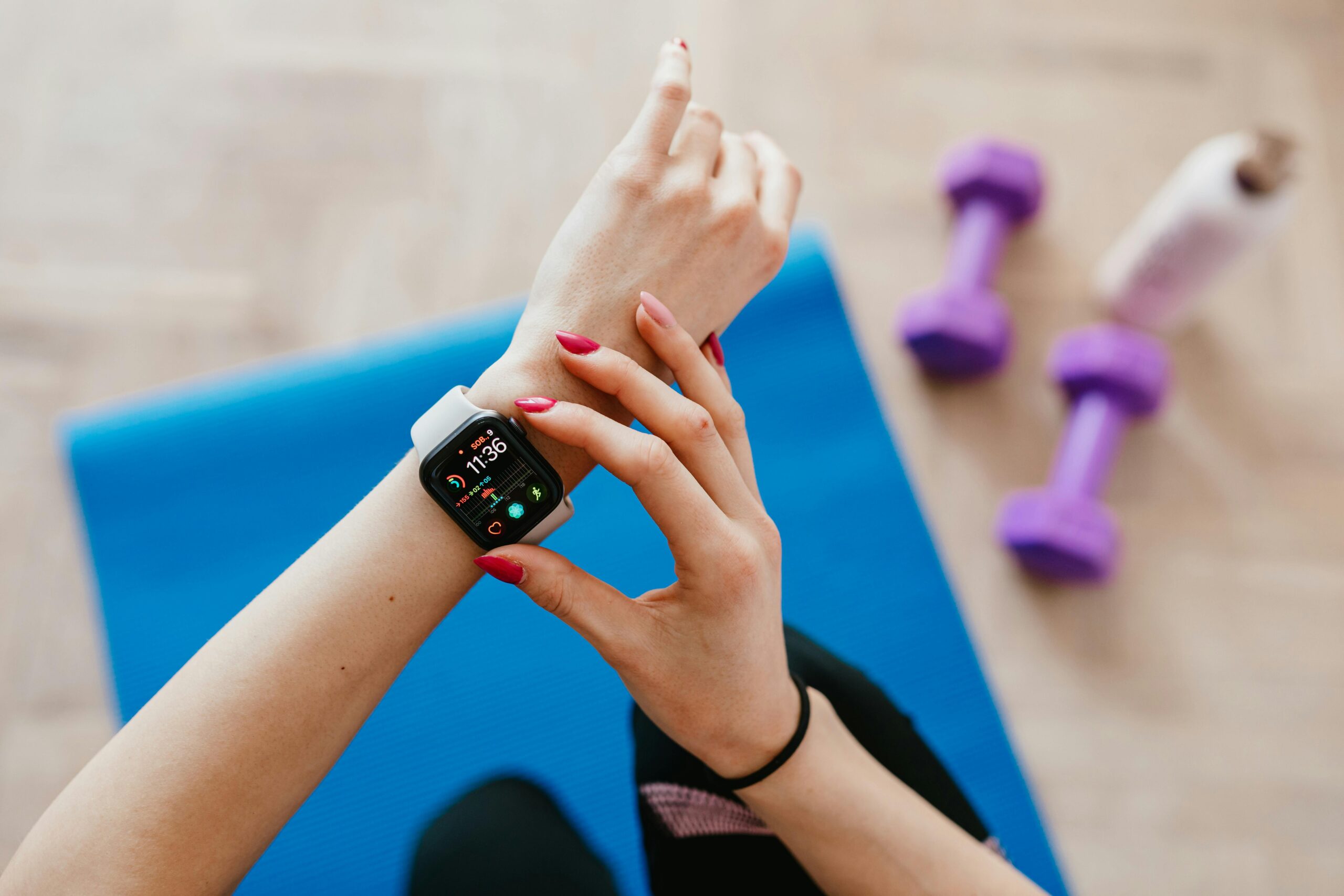
The modern self-tracking landscape encompasses diverse categories of measurement and monitoring. Physical activity trackers count steps, estimate calorie burn, and measure exercise intensity. Sleep monitoring tools analyze rest patterns, identifying periods of light, deep, and REM sleep. Nutrition apps help users log meals, track macronutrients, and understand their eating patterns. Mood and mental wellness applications enable emotional check-ins and identify triggers for stress or anxiety.
What makes contemporary self-tracking particularly powerful is the synergy between these different data streams. When you can correlate your sleep quality with your next-day productivity, or understand how specific foods affect your energy levels throughout the day, you gain actionable insights that single-metric tracking simply cannot provide.
The Data Integration Challenge
Most individuals who engage in self-tracking quickly encounter a common frustration: data silos. Your fitness tracker, sleep monitor, meditation app, and nutrition logger all collect valuable information, but they rarely communicate with each other effectively. This fragmentation limits the potential for discovering meaningful patterns and relationships across different aspects of your wellness.
Fortunately, platforms and protocols that facilitate data integration are becoming more sophisticated. Apple Health, Google Fit, and other health data aggregators serve as central repositories, allowing different applications to share information with user permission. This interoperability transforms disconnected data points into a comprehensive wellness narrative.
🛡️ Ethical Foundations of Responsible Self-Tracking
As we embrace the power of personal data collection, we must confront important ethical considerations. The information we generate through self-tracking is intensely personal, revealing patterns about our behavior, health status, emotional states, and daily routines. Protecting this data and using it responsibly should be paramount concerns for anyone engaging in self-monitoring practices.
Data Privacy and Ownership
When you use a self-tracking application or device, who owns the data you generate? The answer varies significantly depending on the service provider and their terms of service. Some companies claim broad rights to use, analyze, and even sell anonymized user data. Others adopt more user-centric approaches, treating personal data as the exclusive property of the individual who generated it.
Before committing to any self-tracking platform, carefully review its privacy policy and data handling practices. Look for services that offer transparency about how they use your information, provide clear opt-out mechanisms for data sharing, and implement robust security measures to protect against unauthorized access or breaches.
The Right to Disconnect
Ethical self-tracking acknowledges that constant monitoring can become counterproductive or even harmful. The pressure to optimize every aspect of life, to hit daily targets, and to maintain perfect streaks can transform wellness tools into sources of anxiety and stress. Responsible self-tracking design includes features that encourage balance, such as rest day recognition, flexible goal setting, and positive reinforcement rather than shame-based messaging.
Users should feel empowered to take breaks from tracking without losing their historical data or feeling like failures. The goal is sustainable wellness improvement, not obsessive measurement.
🔬 Designing Effective Self-Tracking Solutions
Creating self-tracking tools that genuinely support optimal performance and wellness requires thoughtful design that balances functionality, usability, and ethical considerations. The most successful solutions share several key characteristics that distinguish them from mere data collection novelties.
Actionable Insights Over Raw Data
Simply presenting users with graphs and numbers rarely leads to meaningful behavior change. Effective self-tracking solutions transform raw data into contextualized insights that suggest specific actions. Instead of showing you slept six hours last night, a well-designed system might note that your sleep duration has decreased twenty percent over the past week and suggest scheduling an earlier bedtime or reviewing your evening routine.
The best tools employ data visualization techniques that make patterns immediately apparent. Heat maps reveal consistency in habits, trend lines show progress over time, and comparative analyses highlight relationships between different metrics. These visual representations should be intuitive enough that users can grasp their meaning without extensive explanation.
Personalization and Adaptive Feedback
Generic recommendations rarely resonate with individual circumstances. Advanced self-tracking solutions incorporate machine learning algorithms that recognize personal patterns and provide customized guidance based on your unique data profile. These systems learn what works specifically for you, rather than applying one-size-fits-all advice.
Personalization extends to goal setting as well. Rather than imposing arbitrary targets like ten thousand steps per day, adaptive systems help users establish realistic objectives based on their current baseline, lifestyle constraints, and long-term aspirations. As capabilities improve, the system gradually adjusts expectations to maintain appropriate challenge levels without becoming overwhelming.
⚖️ Balancing Quantification with Qualitative Experience
Numbers tell important stories, but they cannot capture the full richness of human experience. An exclusive focus on quantifiable metrics risks reducing wellness to a series of data points, ignoring the subjective feelings, contextual factors, and nuanced experiences that fundamentally shape our wellbeing.
Comprehensive self-tracking solutions integrate qualitative assessments alongside quantitative measurements. Mood check-ins, journal entries, and subjective rating scales provide context that makes numerical data more meaningful. When you understand that your elevated heart rate coincided with a stressful work presentation rather than physical illness, you can interpret that data more appropriately.
The Wisdom of Embodied Knowledge
Self-tracking should enhance rather than replace our innate body awareness and intuition. Technology works best when it amplifies our natural ability to sense what our bodies need, rather than training us to ignore internal signals in favor of external measurements. The most sophisticated approach combines objective data with subjective experience, using each to validate and enrich the other.
This balanced perspective helps prevent common pitfalls like pushing through injury because your tracker says you haven’t met your exercise goal, or eating when not hungry because an app indicates it’s time for a scheduled meal. Data should inform decisions, not override common sense and embodied wisdom.
🚀 Strategies for Synergized Self-Tracking
Maximizing the value of self-tracking requires strategic implementation rather than haphazard data collection. The following approaches help create coherent, actionable insights from multiple tracking streams.
Start Small and Expand Gradually
Beginning self-trackers often make the mistake of attempting to monitor everything simultaneously, leading to tracking fatigue and eventual abandonment. A more sustainable approach focuses initially on one or two key areas aligned with your most important wellness goals. Once those habits become established and automatic, you can thoughtfully expand to additional tracking categories.
This gradual approach also allows you to develop data literacy skills progressively. You learn what metrics matter most for your particular circumstances and how to interpret patterns specific to your body and lifestyle.
Establish Clear Intentions
Why are you tracking? This fundamental question should guide every aspect of your self-monitoring practice. Are you trying to improve sleep quality, increase physical fitness, better manage stress, optimize nutrition, or enhance productivity? Different goals require different metrics and tracking approaches.
Clear intentions prevent aimless data accumulation that generates information without insight. They also help you recognize when tracking has served its purpose. Once you’ve established healthy sleep habits and understand your patterns, you might reduce the intensity of sleep monitoring and shift focus to other wellness dimensions.
Schedule Regular Data Reviews
Daily data glances provide immediate feedback, but meaningful patterns often emerge only over weeks or months. Schedule weekly or monthly review sessions where you analyze trends, identify correlations, and adjust your approach based on accumulated insights. These reflective practices transform raw tracking into genuine self-knowledge.
During review sessions, ask yourself questions that go beyond the numbers. What was happening in your life when particular patterns emerged? Did external circumstances influence your metrics? What experiments might help you test hypotheses about your wellness patterns?
🌟 Optimal Performance Through Integrated Tracking
Peak performance results from the harmonious functioning of multiple systems: physical fitness, mental clarity, emotional resilience, adequate recovery, and proper nutrition. Synergized self-tracking recognizes these interconnections, seeking insights at the intersections between different wellness dimensions.
For example, you might discover that your workout performance correlates more strongly with sleep quality than with training volume. Or you might find that specific foods predictably affect your afternoon energy levels and focus. These cross-domain insights enable targeted interventions that efficiently improve multiple aspects of wellness simultaneously.
Recovery as a Performance Metric
Modern performance tracking increasingly emphasizes recovery metrics alongside traditional output measurements. Heart rate variability, resting heart rate, sleep architecture, and subjective readiness assessments provide valuable information about your body’s adaptive capacity and readiness for challenge.
Athletes and high performers who optimize recovery alongside training intensity consistently outperform those who focus exclusively on volume and intensity. This principle applies equally to cognitive work, where adequate rest and recovery enable sustained high-level performance better than constant grinding.
🔮 The Future of Ethical Self-Tracking
Emerging technologies promise to make self-tracking more seamless, accurate, and insightful. Continuous glucose monitors originally designed for diabetes management are finding applications in performance optimization and metabolic health awareness. Advanced wearables measure an expanding array of biomarkers, from blood oxygen levels to body temperature variations that might indicate illness before symptoms appear.
Artificial intelligence will play an increasingly significant role in pattern recognition and personalized recommendations. These systems can identify subtle relationships in complex datasets that would escape human analysis, potentially uncovering optimization opportunities that current approaches miss.
However, technological advancement must proceed alongside ethical evolution. As tracking becomes more comprehensive and insights more powerful, questions about data privacy, algorithmic bias, and the potential for tracking systems to reinforce unhealthy behaviors or unrealistic standards become increasingly urgent.
Community and Comparative Data
Some of the most valuable insights come from comparing personal data against aggregated patterns from larger populations. Understanding how your sleep patterns compare to others in your age group, or seeing how different individuals respond to similar training protocols, can provide useful context for your personal optimization efforts.
Privacy-preserving technologies enable this comparative analysis without compromising individual data security. Differential privacy, federated learning, and secure multi-party computation allow statistical analysis of population-level patterns while keeping individual data encrypted and protected.
💡 Practical Implementation Guidelines
Successfully synergizing your self-tracking begins with selecting appropriate tools and establishing sustainable practices. Choose platforms that offer robust data export options, ensuring you maintain control over your information even if you decide to switch services. Prioritize interoperability, selecting tools that communicate with health data aggregators and other applications in your wellness ecosystem.
Establish realistic tracking routines that fit seamlessly into your existing habits. Automated measurement through wearables and passive tracking reduces friction compared to manual logging. However, some aspects of wellness, particularly qualitative experiences and contextual factors, benefit from intentional reflection and recording.
Consider working with qualified wellness professionals who can help interpret your tracking data and design interventions based on your specific patterns. Nutritionists, personal trainers, sleep specialists, and wellness coaches increasingly incorporate client-generated tracking data into their practice, enabling more personalized and effective guidance.
🎓 Cultivating Data Literacy and Critical Thinking
Effective self-tracking requires developing skills to evaluate data quality, recognize limitations, and avoid common interpretation errors. Correlation does not imply causation—just because two metrics move together doesn’t mean one causes the other. Both might be influenced by an unmeasured third factor, or their relationship might be entirely coincidental.
Understand the accuracy limitations of consumer-grade tracking devices. Most wearables provide estimates rather than laboratory-precise measurements. These approximations suffice for identifying trends and patterns but shouldn’t be treated as definitive medical data.
Remain skeptical of dramatic conclusions drawn from short time periods or small datasets. Humans naturally seek patterns, sometimes perceiving meaningful relationships in random noise. Robust insights require adequate data collection over sufficient time periods, ideally with replication to confirm initial findings.
🌈 Transforming Data into Lasting Wellness
The ultimate goal of self-tracking isn’t data collection—it’s sustainable improvement in your wellbeing, performance, and quality of life. The most successful self-trackers eventually develop intuitive understanding that reduces their dependence on constant monitoring. Tracking serves as a learning tool that helps you understand your body’s signals, identify what works for your unique circumstances, and build habits that support your wellness goals.
This progression from novice tracker to self-aware individual represents the ideal trajectory. You begin by measuring what you don’t understand, you analyze patterns to gain insight, you experiment with interventions based on those insights, and eventually you internalize the lessons learned. Tracking might then become intermittent, used periodically to verify continued alignment with your goals or to troubleshoot when something feels off.
By approaching self-tracking with clear intentions, ethical awareness, and critical thinking, you transform it from a potentially obsessive data collection exercise into a powerful tool for sustainable wellness optimization. The synergy between different tracking domains, combined with thoughtful analysis and appropriate action, enables you to achieve peak performance while maintaining balance, protecting your privacy, and honoring the full complexity of human wellbeing.