
Your body is constantly transmitting signals—heart rate spikes, temperature fluctuations, sleep cycles—and wearable technology can capture every beat, breath, and movement. Understanding these patterns unlocks personalized health insights previously available only in clinical settings.

🔬 The Revolution in Personal Health Monitoring
The landscape of health and wellness has transformed dramatically over the past decade. What once required expensive laboratory tests and multiple doctor visits can now be tracked continuously through devices worn on your wrist, chest, or even embedded in your clothing. This democratization of health data represents a paradigm shift in how we understand our bodies’ unique metabolic signatures.
Wearable devices have evolved far beyond simple step counters. Modern sensors can detect heart rate variability, blood oxygen levels, skin temperature, respiratory rate, and even electrodermal activity. Each of these metrics provides a window into your metabolic state, revealing how your body responds to food, exercise, stress, and sleep.
The true power lies not in isolated measurements but in the patterns that emerge over time. Your metabolic fingerprint is as unique as your DNA, influenced by genetics, lifestyle, environment, and countless other factors. Wearable data allows you to decode this complexity and make informed decisions about your health.
📊 Understanding Your Metabolic Baseline
Before you can optimize your health, you need to establish what normal looks like for your body. This baseline becomes your reference point for identifying meaningful changes and tracking progress toward your goals.
Your resting heart rate, for instance, can indicate cardiovascular fitness and recovery status. A lower resting heart rate generally suggests better cardiovascular conditioning, while sudden elevations might signal overtraining, illness, or stress. By tracking this metric consistently, you develop an intuitive understanding of your body’s readiness for physical challenges.
Heart rate variability (HRV) offers even deeper insights into your autonomic nervous system balance. Higher HRV typically indicates better stress resilience and recovery capacity, while declining HRV might suggest you need rest or lifestyle adjustments. This metric has become particularly valuable for athletes and health enthusiasts seeking to optimize training intensity.
Key Metabolic Markers Your Wearable Tracks
Modern wearables measure multiple biomarkers that collectively paint a comprehensive picture of your metabolic health:
- Resting Metabolic Rate: The calories your body burns at complete rest, influenced by muscle mass, age, and hormonal factors
- Active Energy Expenditure: Calories burned during physical activity, revealing how efficiently your body converts fuel to movement
- Sleep Architecture: The distribution of light, deep, and REM sleep stages that govern recovery and metabolic regulation
- Respiratory Rate: Breathing patterns that can indicate stress levels, fitness adaptations, or potential health issues
- Body Temperature Trends: Fluctuations that correlate with circadian rhythms, illness onset, and hormonal cycles
- Blood Oxygen Saturation: Oxygen delivery efficiency, particularly important during sleep and high-altitude activities
🍽️ Decoding Your Nutritional Responses
Perhaps the most revolutionary application of wearable data involves understanding how your body responds to different foods. Glucose response varies dramatically between individuals—what causes a blood sugar spike in one person might produce a minimal response in another.
Continuous glucose monitors (CGMs), once reserved exclusively for diabetics, are increasingly used by health-conscious individuals seeking metabolic optimization. These devices reveal real-time glucose responses to meals, exercise, stress, and sleep. The patterns that emerge can be genuinely surprising.
You might discover that oatmeal, often touted as a healthy breakfast, causes your glucose to spike and crash, leaving you hungry and fatigued. Meanwhile, a higher-protein, higher-fat meal might provide stable energy throughout the morning. These personalized insights cannot be gleaned from generic dietary guidelines.
The timing of meals also influences metabolic responses. Your body’s insulin sensitivity follows a circadian pattern, typically highest in the morning and declining throughout the day. Wearable data can help you identify your optimal eating windows and meal composition for stable energy and metabolic health.
Practical Applications for Nutritional Optimization
By correlating wearable data with food intake, you can develop a personalized nutritional strategy:
- Identify specific foods or food combinations that destabilize your glucose levels
- Determine optimal pre-workout nutrition for sustained energy without digestive distress
- Discover how meal timing affects your sleep quality and overnight recovery
- Recognize patterns between dietary choices and next-day performance metrics
- Understand your body’s unique response to macronutrient ratios
💪 Optimizing Exercise Based on Real-Time Feedback
Traditional exercise programming follows population averages and generalized principles. While these provide useful starting points, they cannot account for your individual recovery capacity, stress tolerance, or daily physiological fluctuations.
Wearable data transforms exercise from a one-size-fits-all prescription into a dynamic, responsive practice. Your morning HRV reading can guide whether today should be a high-intensity training day or a recovery session. Elevated resting heart rate might indicate you need additional rest before attempting another hard workout.
During exercise, real-time heart rate monitoring ensures you’re training in the appropriate intensity zones for your goals. Zone 2 training, characterized by sustainable aerobic effort where you could maintain a conversation, builds metabolic efficiency and fat-burning capacity. Higher zones develop anaerobic capacity and peak performance.
Recovery metrics reveal how effectively your body adapts to training stress. Sleep quality, overnight HRV, and morning readiness scores indicate whether your recovery strategies—nutrition, hydration, sleep hygiene, stress management—adequately support your training load.
Training Adaptations You Can Measure
Consistent wearable tracking allows you to quantify fitness improvements that might otherwise go unnoticed:
- Decreasing heart rate at the same exercise intensity indicates improved cardiovascular efficiency
- Faster heart rate recovery after workouts suggests better autonomic function
- Improved sleep efficiency despite training stress demonstrates successful adaptation
- Stable or improving HRV trends indicate positive fitness adaptations without overtraining
- Reduced perceived exertion at equivalent workloads reflects genuine fitness gains
😴 The Sleep-Metabolism Connection
Sleep represents the foundation of metabolic health, yet its quality remains largely invisible without objective tracking. Wearable devices illuminate this critical aspect of health, revealing patterns that significantly impact weight management, insulin sensitivity, and overall vitality.
Poor sleep disrupts glucose metabolism, increasing insulin resistance and promoting fat storage. A single night of inadequate sleep can reduce insulin sensitivity by up to 30%, making your body less efficient at processing carbohydrates. Chronic sleep deprivation compounds these effects, creating a metabolic environment conducive to weight gain and metabolic disease.
Wearable sleep tracking reveals not just duration but quality. Time spent in deep sleep governs physical recovery and growth hormone release. REM sleep consolidates learning and regulates emotional processing. Disrupted sleep architecture, even with adequate total sleep time, compromises metabolic function.
Correlating sleep data with daytime metrics reveals bidirectional relationships. Poor sleep degrades next-day performance, decision-making, and glucose regulation. Conversely, excessive training stress, late caffeine consumption, or evening screen time can fragment sleep and impair recovery.
Strategies for Sleep Optimization
Wearable data helps you identify and address sleep disruptors:
- Track how evening alcohol consumption affects sleep architecture and overnight HRV
- Identify your optimal sleep and wake times based on natural circadian rhythms
- Recognize how room temperature influences sleep quality and duration
- Understand the impact of exercise timing on sleep onset and depth
- Monitor respiratory rate changes that might indicate sleep-disordered breathing
🧠 Stress, Recovery, and Nervous System Balance
Chronic stress represents one of the most significant metabolic disruptors in modern life. Sustained cortisol elevation promotes insulin resistance, increases abdominal fat storage, and compromises immune function. Yet stress remains largely subjective until measured objectively through wearable biomarkers.
HRV provides a window into your autonomic nervous system balance. When sympathetic “fight or flight” activity dominates, HRV decreases. When parasympathetic “rest and digest” activity prevails, HRV increases. By tracking this balance, you can identify when stress accumulation exceeds your recovery capacity.
Resting heart rate also responds to stress. Sustained elevations, particularly when combined with declining HRV and poor sleep, suggest your nervous system remains in a heightened state. This pattern indicates the need for stress management interventions—meditation, breathwork, nature exposure, or social connection.
The beauty of wearable data lies in creating awareness before stress manifests as illness or burnout. Subtle shifts in biomarkers provide early warning signals, allowing proactive adjustments rather than reactive damage control.
📱 Leveraging Technology for Personalized Insights
The explosion of wearable devices has spawned countless applications designed to interpret and actionize your data. These platforms transform raw numbers into meaningful recommendations, identifying patterns you might miss and suggesting interventions tailored to your unique physiology.
Many fitness trackers now incorporate readiness scores that integrate multiple biomarkers—sleep quality, HRV, resting heart rate, and recent activity—into a single metric indicating your body’s preparedness for physical and mental challenges. These scores help you calibrate daily expectations and avoid pushing beyond your current capacity.
Nutrition tracking apps can integrate with wearable data, revealing correlations between dietary choices and metabolic responses. You might discover that late-evening carbohydrate consumption disrupts your sleep, or that protein timing influences your recovery metrics.
🎯 Turning Data Into Sustainable Behavior Change
Data without action remains meaningless. The ultimate value of wearable technology lies in facilitating behavior change that improves your health, performance, and quality of life. This requires moving beyond passive observation to active experimentation and adjustment.
Start by identifying one or two metrics most relevant to your current goals. If weight management concerns you, focus on glucose patterns and sleep quality. If performance enhancement drives you, prioritize HRV and recovery metrics. Trying to optimize everything simultaneously leads to analysis paralysis.
Implement small, testable changes based on your data. If your wearable reveals consistently poor sleep on nights following late exercise, experiment with morning or midday training. If glucose spikes after breakfast leave you fatigued, test different meal compositions and monitor the results.
Track changes over weeks and months, not days. Daily fluctuations are normal and expected. Meaningful patterns emerge from sustained observation. Your 30-day HRV trend matters far more than yesterday’s reading.
Creating Your Personal Optimization Protocol
Develop a systematic approach to leveraging wearable insights:
- Establish baseline measurements for key metrics during a two-week observation period
- Identify one specific area for improvement based on your data patterns
- Implement a single intervention while continuing to track relevant biomarkers
- Assess results after 3-4 weeks, looking for sustained improvements
- Maintain successful changes while addressing the next priority area
- Periodically reassess baselines as your health and fitness evolve
⚠️ Avoiding Common Pitfalls in Data Interpretation
While wearable data provides unprecedented insights, misinterpretation can lead to counterproductive obsession or misguided interventions. Understanding the limitations and appropriate applications of your data prevents these pitfalls.
Device accuracy varies significantly. Optical heart rate sensors may struggle during high-intensity exercise or cold conditions. Step counts can be inflated by arm movements. Even sophisticated metrics like HRV require consistent measurement conditions for meaningful comparisons.
Context matters enormously. An elevated resting heart rate might indicate overtraining, illness, dehydration, stress, or simply inadequate sleep. The number alone cannot diagnose the cause. Your data must be interpreted alongside subjective experience and life circumstances.
Excessive focus on optimization can paradoxically increase stress and undermine the health you seek. Obsessively checking metrics, losing sleep over sleep scores, or experiencing anxiety about daily fluctuations defeats the purpose. Wearable data should inform and empower, not dominate your attention or dictate your mood.
🌟 The Future of Personalized Metabolic Health
Wearable technology continues advancing rapidly, with emerging sensors capable of measuring biomarkers previously requiring blood tests. Non-invasive glucose monitoring, hydration assessment, and even blood pressure tracking are becoming increasingly accessible and accurate.
Artificial intelligence and machine learning algorithms will increasingly personalize recommendations based on your unique data patterns. Rather than generic advice, future platforms will suggest specific interventions proven effective for individuals with similar metabolic profiles and responses.
Integration between devices and platforms will create comprehensive health dashboards, connecting nutrition, exercise, sleep, stress, and metabolic biomarkers into unified insights. This holistic view will reveal complex relationships between lifestyle factors and health outcomes.
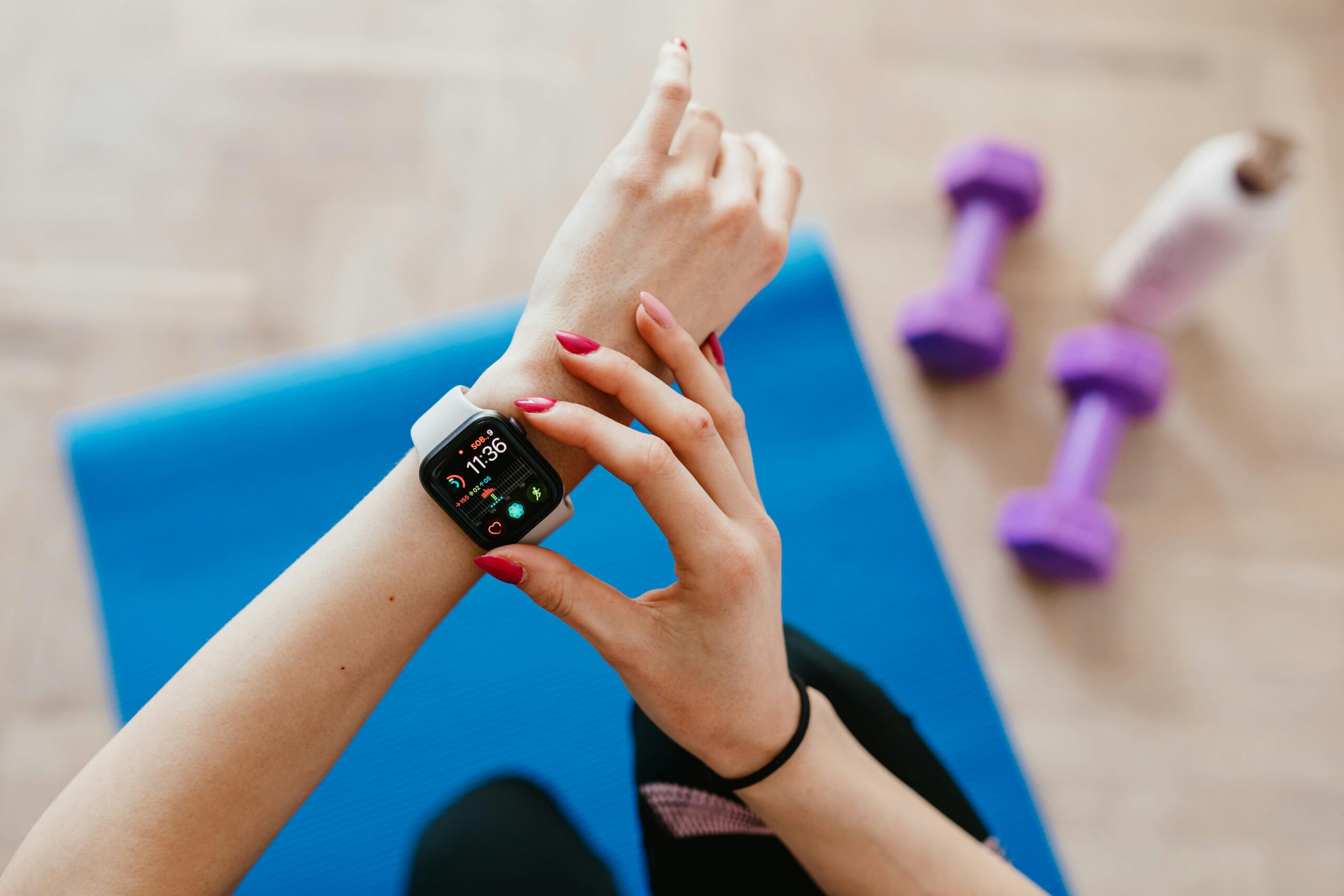
The democratization of metabolic health data empowers individuals to take ownership of their wellbeing in unprecedented ways. You no longer need to blindly follow generic guidelines or wonder whether your lifestyle choices support or undermine your health. The answers pulse continuously from your wrist, waiting to be interpreted and acted upon.
🚀 Your Journey Toward Metabolic Mastery
Understanding your unique metabolic patterns represents a journey, not a destination. Your body continuously adapts to stress, training, nutrition, and aging. What optimizes your health today may require adjustment tomorrow. Wearable data provides the compass for navigating this ever-changing landscape.
Begin where you are, with whatever device and metrics you currently have access to. Perfection isn’t required—consistency is. Regular tracking creates the data foundation from which meaningful patterns emerge. Small insights compound over time, gradually revealing the strategies that unlock your body’s full potential.
The power to optimize your metabolic health rests literally in your hands. Your wearable device captures thousands of data points daily, each representing an opportunity for insight and improvement. By learning to read these signals and respond appropriately, you transform from a passive recipient of generic health advice into an active architect of your own vitality and performance.
Your body has been speaking all along. Wearable technology simply provides the translation, converting physiological whispers into actionable intelligence. The question isn’t whether your body has secrets to reveal—it’s whether you’re ready to listen.