
Continuous Glucose Monitoring (CGM) technology has revolutionized diabetes management and metabolic health tracking, offering unprecedented insights into glucose patterns and variability metrics that traditional methods simply cannot capture.

🔬 The Evolution of Glucose Monitoring Technology
The journey from finger-prick testing to continuous glucose monitoring represents one of the most significant advances in diabetes care. Traditional blood glucose meters provide snapshots of glucose levels at specific moments, but they miss the dynamic fluctuations that occur throughout the day and night. CGM devices, by contrast, measure interstitial glucose levels every few minutes, creating a comprehensive picture of glucose behavior over time.
This technological leap has enabled healthcare providers and patients to move beyond simple average glucose measurements toward understanding the complexities of glycemic variability. The data generated by CGM systems allows for sophisticated analysis of glucose patterns, revealing information that was previously invisible and enabling more precise interventions for optimal health.
📊 Understanding Glycemic Variability: Why It Matters
Glycemic variability refers to the fluctuations in blood glucose levels throughout the day. Research has increasingly demonstrated that these variations matter just as much as average glucose levels when assessing metabolic health and diabetes complications risk. High glycemic variability has been associated with increased oxidative stress, inflammation, and cardiovascular complications.
The importance of measuring variability extends beyond diabetes management. Athletes, individuals following specific dietary protocols, and those interested in optimizing metabolic health can benefit from understanding how their glucose responds to various factors including food, exercise, stress, and sleep patterns.
The Hidden Dangers of Glucose Swings
Glucose variability creates metabolic stress on the body. Rapid swings between high and low glucose levels can trigger inflammatory responses, contribute to endothelial dysfunction, and increase the risk of both hypoglycemic and hyperglycemic events. For people with diabetes, excessive variability often indicates suboptimal management strategies that need refinement.
Beyond immediate health concerns, sustained glycemic variability may accelerate the development of long-term complications including neuropathy, retinopathy, and cardiovascular disease. This understanding has shifted the focus from simply maintaining target average glucose to achieving stable, predictable glucose patterns.
🎯 Key CGM-Based Variability Metrics Explained
Modern CGM systems generate multiple metrics that quantify different aspects of glucose variability. Understanding these measurements empowers individuals and healthcare providers to make more informed decisions about treatment adjustments and lifestyle modifications.
Standard Deviation (SD): The Foundation Metric
Standard deviation represents the most straightforward measure of glucose variability. It calculates how much individual glucose readings deviate from the mean glucose level. A higher SD indicates greater variability, while lower values suggest more stable glucose control. Generally, an SD below 50 mg/dL is considered indicative of low variability and good glucose stability.
The advantage of SD is its simplicity and ease of calculation. However, it has limitations, particularly when glucose distributions are not symmetrical or when comparing individuals with different average glucose levels.
Coefficient of Variation (CV): The Relative Measure
The coefficient of variation addresses some limitations of standard deviation by expressing variability as a percentage of the mean glucose. Calculated as (SD/mean glucose) × 100, CV provides a standardized measure that allows meaningful comparisons between individuals or time periods with different average glucose levels.
Current consensus recommends targeting a CV of 36% or less for stable glucose control. This metric has gained prominence because it performs well across different glucose ranges and is less influenced by mean glucose levels than absolute measures.
Time in Range (TIR): The Clinical Gold Standard
Time in Range has emerged as perhaps the most clinically meaningful CGM metric. TIR measures the percentage of time glucose levels remain within a target range, typically 70-180 mg/dL for most people with diabetes. Higher TIR percentages correlate strongly with reduced complication risks and improved quality of life.
The beauty of TIR lies in its intuitive nature—it’s easy for patients to understand and provides clear targets for improvement. International consensus recommends a TIR greater than 70% for most adults with Type 1 or Type 2 diabetes, with personalized targets for specific populations.
Time Below Range (TBR) and Time Above Range (TAR)
These complementary metrics measure hypoglycemia and hyperglycemia exposure. TBR is particularly critical for safety, as hypoglycemia poses immediate health risks. The consensus target is less than 4% time below 70 mg/dL and less than 1% below 54 mg/dL (clinically significant hypoglycemia).
TAR quantifies hyperglycemia exposure, with targets of less than 25% above 180 mg/dL and less than 5% above 250 mg/dL. Together, these metrics provide a comprehensive picture of glucose exposure across the entire spectrum.
Glucose Management Indicator (GMI): The A1C Estimator
GMI translates average CGM glucose data into an estimated A1C value, bridging the gap between continuous monitoring and traditional laboratory testing. This metric helps patients and providers understand how CGM data relates to the familiar A1C measurement without requiring blood tests.
While GMI provides valuable context, it’s important to remember that individual variation exists between GMI and laboratory A1C due to factors affecting red blood cell lifespan and glycation rates.
💡 Advanced Variability Metrics for Precision Analysis
Mean Amplitude of Glycemic Excursions (MAGE)
MAGE specifically measures major glucose fluctuations while filtering out minor variations. This metric identifies peaks and valleys that exceed one standard deviation from the mean, providing insight into clinically significant glucose swings rather than normal physiological variations.
Though more complex to calculate, MAGE offers valuable information about the magnitude of glucose excursions that may contribute to oxidative stress and complications.
Continuous Overlapping Net Glycemic Action (CONGA)
CONGA evaluates intraday glucose variability by comparing glucose values separated by specific time intervals, typically 1, 2, or 4 hours. This metric helps identify patterns of variability related to meals, medication timing, or other regular activities.
J-Index: The Composite Risk Metric
The J-Index combines information about mean glucose and variability into a single score, with higher values indicating poorer glucose control. While less commonly used in clinical practice, it provides a comprehensive assessment that captures both average exposure and fluctuation.
🏃♀️ Applying Variability Metrics to Real-World Scenarios
Optimizing Nutrition Strategies
CGM variability metrics can guide nutritional interventions with precision. By analyzing how specific foods or meal compositions affect glucose variability, individuals can identify optimal eating patterns. Foods that minimize glucose excursions while maintaining stable levels can be prioritized, while those causing significant spikes or crashes can be modified or avoided.
The timing of meals also significantly impacts variability. Late-night eating often produces different glucose responses than identical foods consumed earlier in the day, and CGM data makes these patterns visible for personalized meal timing optimization.
Exercise and Physical Activity Optimization
Physical activity affects glucose levels in complex ways, and CGM variability metrics help optimize exercise strategies. Different types of exercise—aerobic, resistance training, high-intensity intervals—produce distinct glucose patterns that can be tracked and adjusted for improved outcomes.
Athletes use CGM data to ensure adequate fueling for performance while minimizing disruptive glucose swings. Endurance athletes particularly benefit from understanding how to maintain stable glucose during prolonged activities to sustain energy and avoid bonking.
Medication Timing and Dosing Refinement
For individuals using insulin or other glucose-lowering medications, variability metrics provide critical feedback for dosing optimization. Patterns of hypoglycemia or excessive post-meal excursions signal the need for adjustments in medication timing or amounts.
CGM data allows for more nuanced insulin dosing strategies, including adjustment of insulin-to-carbohydrate ratios, correction factors, and basal rates that can dramatically improve glucose stability.
📱 Technology Integration and Data Accessibility
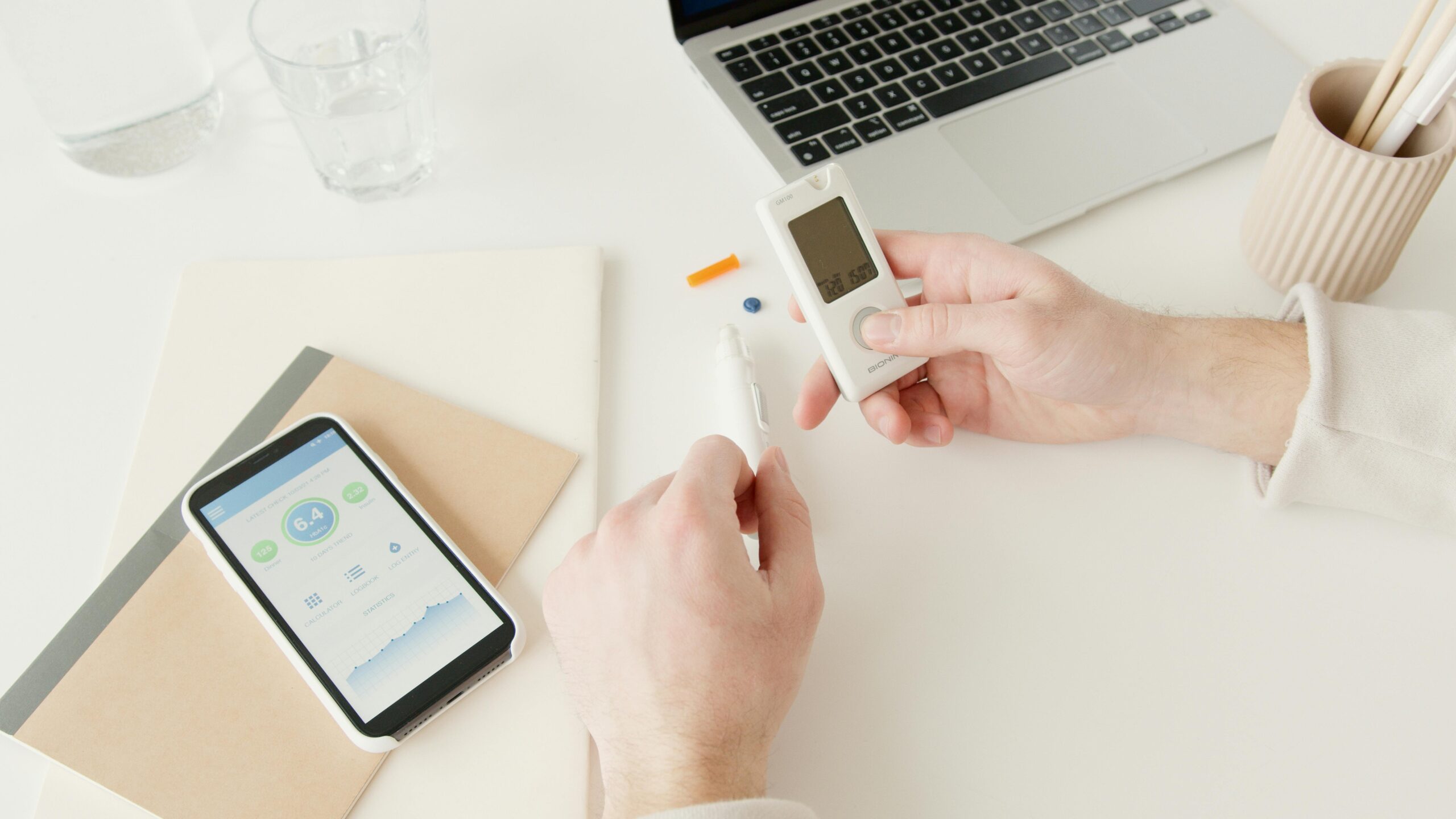
Modern CGM systems integrate seamlessly with smartphone applications that automatically calculate variability metrics and present data in accessible formats. These digital platforms transform raw glucose data into actionable insights through visualizations, pattern recognition, and personalized recommendations.
Cloud-based data sharing enables remote monitoring by healthcare providers, facilitating more frequent adjustments without requiring office visits. This connectivity has proven especially valuable for managing pediatric diabetes and supporting individuals who struggle with self-management.
🎓 Interpreting CGM Data: Building Health Literacy
The abundance of data generated by CGM systems can feel overwhelming initially. Building competency in interpreting variability metrics requires education and practice. Healthcare providers play crucial roles in helping patients understand which metrics matter most for their individual situations and how to translate data into behavioral changes.
Pattern recognition represents a key skill in CGM data interpretation. Identifying recurring trends—such as dawn phenomenon, post-lunch spikes, or overnight hypoglycemia—enables targeted interventions that address root causes rather than simply reacting to individual glucose readings.
Personalization: One Size Does Not Fit All
While consensus targets provide general guidance, optimal variability metrics vary by individual. Factors including age, diabetes type and duration, hypoglycemia awareness, complication status, and personal preferences all influence appropriate targets.
Older adults may prioritize avoiding hypoglycemia even if this means accepting slightly higher TIR targets, while young individuals without complications might strive for tighter control. Pregnant women require particularly stringent glucose targets with minimal variability to protect fetal development.
🔮 The Future of CGM-Based Variability Analysis
Artificial intelligence and machine learning are transforming CGM data analysis. Predictive algorithms can forecast glucose trends, alerting users to impending hypoglycemia or hyperglycemia before they occur. These systems learn individual patterns and provide increasingly personalized recommendations over time.
Integration with other wearable devices—tracking physical activity, sleep quality, heart rate variability, and stress markers—enables multidimensional health optimization. The convergence of these data streams promises unprecedented insights into the complex interplay between lifestyle factors and metabolic health.
Closed-Loop Systems and Automated Insulin Delivery
Automated insulin delivery systems, often called artificial pancreas technology, use CGM variability metrics in real-time to adjust insulin delivery automatically. These systems aim to minimize variability by making continuous micro-adjustments that traditional therapy approaches cannot achieve.
Early results from closed-loop systems show impressive improvements in time in range and reductions in variability, suggesting this technology will become increasingly central to optimal diabetes management.
🌟 Practical Steps for Implementing Variability-Focused Management
Starting with CGM-based variability analysis requires a systematic approach. Begin by establishing baseline metrics over several weeks to understand current patterns without making changes. This baseline data reveals which aspects of glucose control need the most attention.
Prioritize safety first by addressing hypoglycemia patterns before tackling hyperglycemia. Time below range should be minimized as the primary goal, as preventing dangerous lows takes precedence over perfecting highs.
Making Incremental Adjustments
Change one variable at a time when using CGM data to guide interventions. Modifying multiple factors simultaneously makes it impossible to determine which change produced observed effects. Systematic experimentation with diet, exercise timing, medication adjustments, or sleep patterns allows for clear cause-effect understanding.
Allow adequate time—typically several days to a week—to assess the impact of each change before making additional modifications. Glucose patterns take time to stabilize, and premature adjustments can create confusion and unnecessary variability.
🏆 Achieving Metabolic Excellence Through Precision Monitoring
The granular data provided by continuous glucose monitoring has fundamentally changed what’s possible in metabolic health optimization. Variability metrics transform glucose management from reactive crisis intervention to proactive pattern optimization. This shift empowers individuals to take control of their health with unprecedented precision.
Success with CGM-based variability management requires commitment to regular data review, willingness to experiment with interventions, and patience with the learning process. The investment pays dividends in improved quality of life, reduced complication risks, and the confidence that comes from truly understanding your body’s metabolic patterns.
As technology continues advancing and our understanding of glycemic variability deepens, the potential for personalized health optimization grows exponentially. Whether managing diabetes, optimizing athletic performance, or simply pursuing better metabolic health, CGM-based variability metrics provide the precision tools necessary to unlock your optimal health potential. The future of health monitoring is here, continuous, and remarkably revealing for those willing to engage with the data it provides.